A thousand years of occupation — and the land still holds its secrets.
Te Matuku environs has a long, rich and complex history of first Māori, then European, occupation. The landscape you see today — the bay, the forest remnants, the shell spit — has been shaped by centuries of human presence, use and, ultimately, protection.
Māori occupation
Māori have had an association with Waiheke Island going back approximately 1,000 years. Occupation patterns differed markedly between the two ends of the island. At the western end, Māori focused on agriculture. At the eastern end — Te Matuku environs — people largely lived off the abundant native fauna: shellfish, moa, fur seals, and the rich fisheries of the Hauraki Gulf (Monin, 1996).
The pā sites
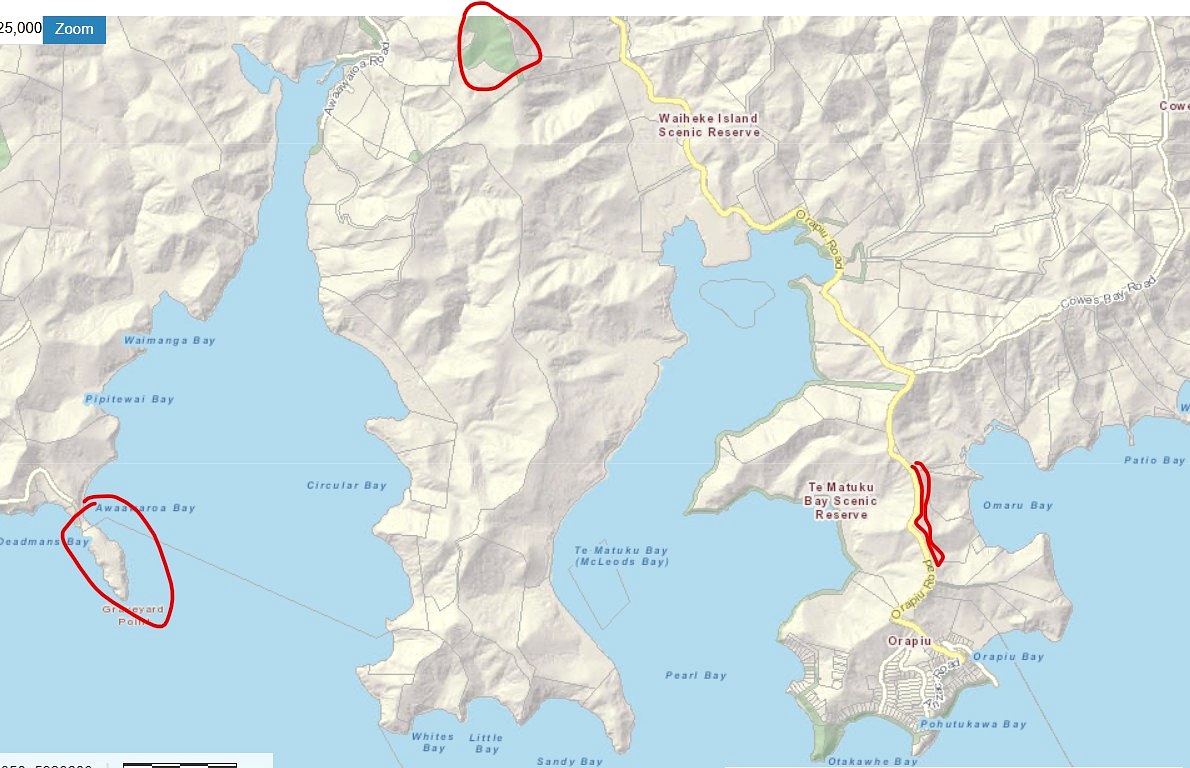
One of the highest-value scheduled pā sites on the island sits along the ridgeline between Te Matuku and Omaru Bays — a commanding position with sweeping views over both bays. This is one of the "big three" highly strategic defensive pā on Waiheke, the other two being Maunganui and Awaawaroa, both of which are nearby.
The strategic logic is clear from the map: whoever controlled these ridgelines controlled access to the most productive coastal resources on the eastern end of the island.
Middens — reading the landscape
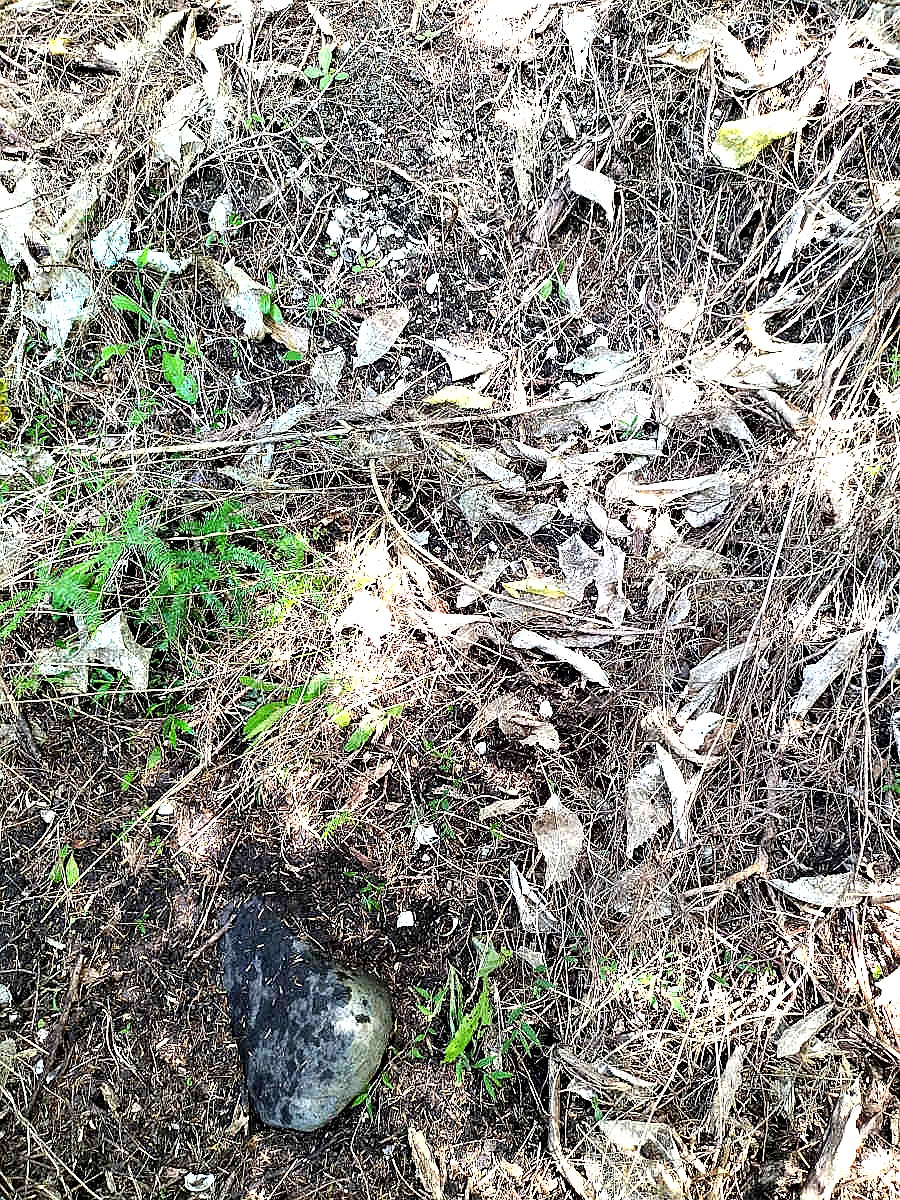
Scattered through the reserve and surrounding environs are traces of daily Māori life — including middens: accumulations of shell, bone and other food waste that mark the sites of ancient occupation and feasting.
The photo on the left shows what is believed to be a midden in the Te Matuku environs — small white shells visible in the soil surface, a quiet echo of the people who gathered here centuries ago. These sites are of significant cultural and archaeological importance and are treated with care and respect.
European settlement
European settlers came to the eastern end of Waiheke Island primarily because it lay on the shipping route between Auckland and the Coromandel/Thames. From Awaawaroa to Orapiu and around to Man O' War Bay, ancient kauri forests — survivors of the Rangitoto eruptions — were felled and milled, supplying timber to the growing colony. Settler cottages sprung up around the eastern bays.
For a deeper dive into the history of the Historic Precinct, read our blog post: Unpicking the Historic Precinct →